
Could Online Psychotherapy Be Right for You?
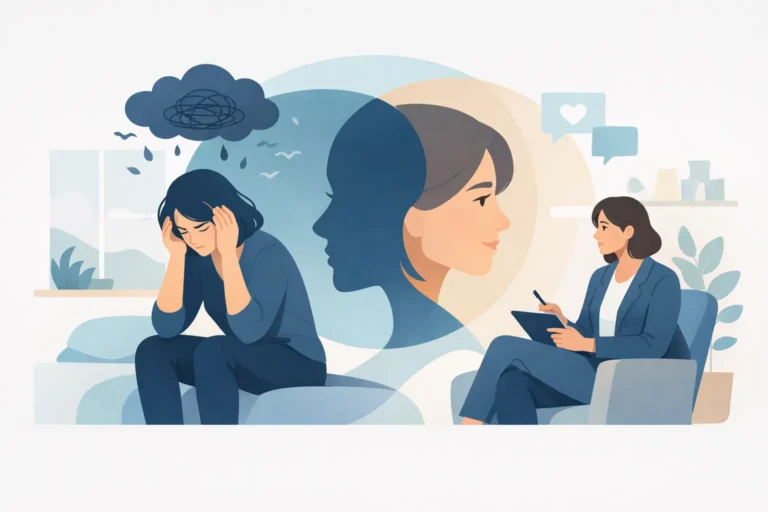
When life feels difficult, finding the energy to travel to an appointment, sit in a waiting room, or explain where you are going can feel like another hurdle. Online psychotherapy offers a private, flexible way to speak with a qualified therapist from a place that feels more manageable. For many people, that extra sense of control makes it easier to begin.
It is not a lesser version of face-to-face therapy. A thoughtful online session can offer the same dedicated time, careful listening and therapeutic depth as meeting in person. What matters most is the quality of the relationship, the safety of the setting and whether the approach feels right for you.
What online psychotherapy can offer
Online sessions are usually held by secure video call, with you and your therapist meeting at an agreed time each week or fortnight. You may be at home, in a private office, or somewhere else where you can speak without being overheard. The session gives you protected space to bring what is on your mind, without needing to have the right words prepared in advance.
This can be especially helpful if anxiety, low mood or exhaustion has made everyday tasks feel harder. It may suit people with caring responsibilities, demanding work patterns, limited mobility, or those who live outside easy travelling distance of a therapist they feel comfortable with. Some clients also appreciate the privacy of not being seen arriving at a therapy practice.
The benefits are practical, but they can be emotional too. Being in a familiar environment may help you feel more settled at the beginning of therapy. You might have a cup of tea nearby, a blanket around you, or a few quiet minutes after the session before returning to the rest of your day. Small details can make it easier to give difficult feelings the attention they deserve.
Is online therapy as personal as meeting in the room?
It can be. Psychotherapy is built through a consistent, respectful relationship in which you can feel heard, valued and understood. A screen changes the setting, but it does not remove the possibility of warmth, trust or meaningful connection.
In online work, your therapist will still pay attention to what you say and how you say it: the pauses, the emotions that emerge, patterns in your relationships and the beliefs you may hold about yourself. Together, you can explore what has shaped those patterns and find ways of responding with greater choice, self-compassion and confidence.
There are also differences. Some people find eye contact on video calls a little unfamiliar at first. Others miss the clear transition that travelling to and from an in-person appointment provides. If you share a home, finding uninterrupted privacy can require planning. These are not reasons that online psychotherapy will not work, but they are worth discussing honestly.
The best format depends on you. Some people feel immediately at ease online; others prefer the physical presence and contained atmosphere of a consulting room. You may know your preference from the start, or you may need a little time to discover it.
What you might bring to a session
You do not need to be in crisis or have a diagnosis to seek support. People begin therapy for many different reasons, often when they have been holding things together for a long time and are beginning to feel depleted.
Online psychotherapy can provide support with anxiety and stress, depression and low mood, grief and bereavement, relationship difficulties, trauma, self-esteem concerns and major life changes. It can also offer a place to talk about menopause, midlife changes and the sense of disconnection that can arise when familiar roles or expectations no longer fit.
Sometimes the concern is clear: a bereavement, a relationship breakdown, panic symptoms, poor sleep or memories that will not settle. At other times, the feeling is harder to name. You may feel stuck, irritable, lonely, overwhelmed or uncertain why certain situations affect you so deeply. Therapy does not require you to arrive with a neat explanation. It begins with where you are.
Looking beneath recurring patterns
A personalised therapeutic approach can help make sense of repeated emotional and relational experiences. You may notice that you become anxious when someone pulls away, find it hard to say no, feel responsible for everyone else, or expect criticism even when none is intended.
These patterns often have understandable roots. Through approaches informed by Transactional Analysis, attachment theory, relational psychotherapy and trauma-informed practice, therapy can explore how earlier experiences continue to shape present-day feelings and relationships. This is not about blaming the past or searching for a single cause. It is about understanding yourself with kindness, so that old protective strategies no longer have to run your life without question.
Alongside insight, therapy can support practical resilience. That might mean recognising triggers, developing clearer boundaries, making room for grief, calming a harsh inner voice, or learning to tolerate feelings that once seemed unbearable. Progress is rarely a straight line, but it can bring a steadier sense of who you are and what you need.
Creating privacy and safety at home
Confidentiality is central to psychotherapy, whether sessions take place online or in person. Your therapist should use a secure platform and explain how your information and session arrangements are handled. You can also help create a confidential space by using headphones, closing the door where possible and letting household members know that you need not to be interrupted.
If privacy at home is difficult, it is worth raising this before therapy starts. For some people, a parked car, a private workplace room or another quiet location may be more suitable, provided the connection is reliable and you can speak freely. A session can feel much safer when you are not listening for footsteps or worrying that someone may overhear.
It is also useful to think about what you need after a session. Emotional work can leave you feeling lighter, thoughtful, tired or temporarily raw. If you can, avoid arranging a demanding meeting immediately afterwards. A short walk, a drink of water, writing down a thought or simply sitting quietly can help you return to your day with care.
A note about urgent support
Online psychotherapy is not an emergency service. If you are at immediate risk of harming yourself or someone else, or feel unable to keep yourself safe, contact emergency services or urgent local support straight away. This does not mean you have failed at coping. It means you deserve timely, practical help in a moment that needs more than a scheduled session can provide.
Starting without pressure
Beginning therapy can feel exposing, particularly if you are used to managing alone or have had experiences of not being listened to. A free initial consultation offers an opportunity to talk about what has brought you to therapy, ask practical questions and get a sense of whether the relationship feels comfortable.
You might ask how sessions are structured, whether weekly or fortnightly appointments would be appropriate, what happens if your connection drops out, and how your therapist works with the concerns you are carrying. You are not committing yourself simply by having that first conversation. Therapy works best when it is a collaborative choice.
At Sue Moir Psychotherapy, online sessions are offered to adults across the UK alongside in-person appointments in Stockport. The focus is on providing a calm, confidential therapeutic relationship where your experience is taken seriously and your individual needs guide the work.
You do not have to wait until things become unmanageable to ask for support. A private conversation, held in a place where you feel safe enough to be honest, can be the first quiet step towards feeling more connected to yourself and more confident in the life ahead.