Burnout Versus Stress: How to Tell the Difference
You may have told yourself that you just need a weekend off, an earlier night, or a little more determination. Yet the tiredness remains. Tasks that once felt manageable now seem strangely difficult, and even time away from work or caring responsibilities may not bring the relief you expected. Understanding burnout versus stress can help you make sense of what is happening, without blaming yourself for struggling.
Stress and burnout can overlap, particularly when life has demanded too much for too long. Both can affect sleep, concentration, mood, physical health and relationships. But they are not quite the same experience, and the support that helps may differ too.
Burnout versus stress: the key difference
Stress is usually a response to pressure. It can arise when there are too many demands, too little time, uncertainty, conflict, financial worries or a situation that feels beyond your control. You may feel tense, anxious, rushed or constantly alert. Although stress can be deeply draining, it often has a clear source, such as a demanding period at work, exams, moving home, caring for a relative, or a difficult relationship.
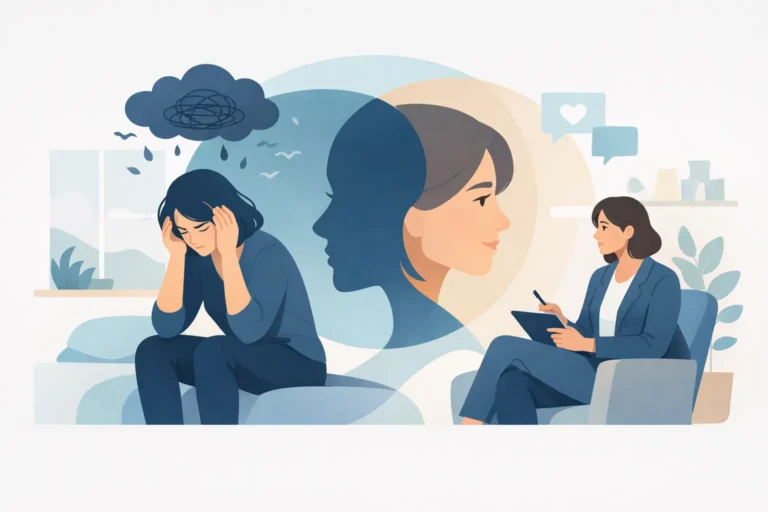
Burnout tends to develop when high stress continues without enough opportunity for rest, support, recovery or change. It is often associated with work, but it can also affect parents, carers, people living with ongoing health concerns, and anyone carrying a prolonged emotional load. Burnout is not simply being very busy. It is a state of emotional, mental and physical depletion that can leave you feeling detached from things that once mattered.
A stressed person may still feel that they care intensely, even if they are overwhelmed. Someone experiencing burnout may begin to feel numb, cynical, disconnected or unable to engage. There can be a sense that nothing will make a difference, which is one reason burnout can feel particularly isolating.
How stress can show up
Stress does not always look dramatic. Sometimes it appears as irritability over small things, a racing mind at bedtime, headaches, muscle tension or a feeling that you cannot properly switch off. You might be getting through your days, but only by pushing yourself harder and harder.
Short periods of stress are part of being human. A deadline, an important conversation or a major life change can all create pressure. In some circumstances, stress may even help you focus or take action. The concern is not that you ever feel stressed. It is whether the pressure has become persistent, whether your body and mind have no space to settle, and whether the strategies that used to help no longer feel enough.
Stress can also be shaped by past experiences. If you learned early on that you had to be useful, achieve highly, stay quiet, or look after other people’s feelings, it may be particularly difficult to notice your limits. Rest can feel undeserved, and saying no may bring guilt. These patterns are understandable adaptations, not personal failings.
Signs that stress may be becoming burnout
There is no single test that can tell you exactly where stress ends and burnout begins. However, it may be time to take your experience seriously if several of the following have become familiar:
- You feel exhausted most of the time, even after sleep or a break.
- You are increasingly detached, irritable or tearful around work, home life or people you usually care about.
- Concentration, memory and decision-making feel harder than they used to.
- You have lost confidence and begin to doubt your ability to cope with ordinary tasks.
- You feel a growing sense of dread, hopelessness or emotional numbness.
- Physical symptoms such as headaches, stomach problems, poor sleep or frequent illness are becoming more noticeable.
Burnout can make people withdraw because explaining how they feel takes energy they do not have. Others may keep functioning outwardly while feeling close to collapse inside. Neither response means your difficulties are less real. Many people reach burnout after a long period of appearing capable and reliable to everyone around them.
Why rest is helpful, but may not be enough
A proper break can make a meaningful difference when stress is temporary and there is genuine room to recover afterwards. Sleep, time outdoors, nourishing food, movement, connection and fewer demands can all support your nervous system. These are not minor things.
But burnout is rarely resolved by self-care alone if the conditions causing it remain unchanged. Returning from leave to the same unsustainable workload, lack of support, family strain or internal pressure to overperform can quickly bring the exhaustion back. This is not a sign that you have failed to rest correctly. It may mean that something deeper needs attention.
Recovery often involves both practical and emotional changes. You may need clearer boundaries, a conversation about workload, more support with caring responsibilities, or permission to reassess what is realistic. It can also mean gently exploring why it has felt so hard to stop before reaching this point. The answer will be individual. For some people, reducing demands is immediately possible. For others, financial responsibilities, workplace culture or family needs make change more complicated. In those cases, finding ways to protect your emotional wellbeing within the constraints you face is still valuable.
When burnout needs more support
It is wise to speak to your GP if exhaustion is persistent or severe, particularly if you have physical symptoms, changes in appetite, panic, or concerns about your health. Low mood, anxiety, trauma responses, menopause symptoms and some medical conditions can overlap with burnout. You deserve careful support rather than having to work it out alone.
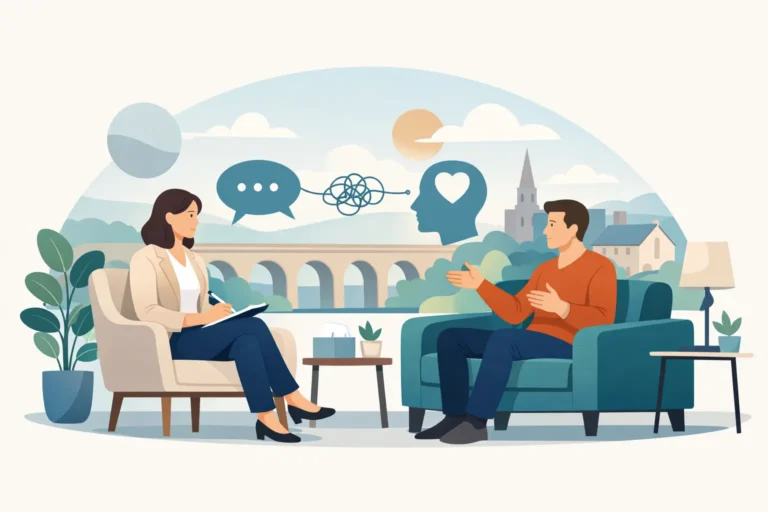
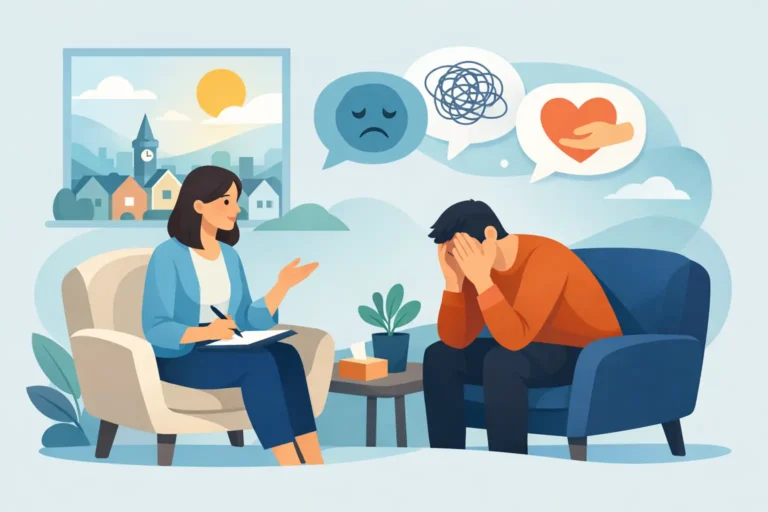
Therapy can offer a confidential space to slow down and understand what has contributed to your current experience. Rather than treating burnout as a problem to fix quickly, therapy can help you recognise the patterns that have kept you under pressure and begin to respond to yourself with greater compassion.
This may include exploring perfectionism, people-pleasing, fear of disappointing others, difficult workplace relationships, grief, caring roles or long-standing beliefs about worth and achievement. A relational and trauma-informed approach also considers how earlier experiences can shape the way you manage stress, ask for help and feel safe in close relationships.
At Sue Moir Psychotherapy, sessions are tailored to the person rather than following a one-size-fits-all formula. Drawing on approaches including Transactional Analysis, attachment theory and relational psychotherapy, the work can help you understand your emotional responses while building practical ways to set boundaries, restore confidence and feel more connected to yourself.
Small, realistic first steps
When you are depleted, ambitious plans can become another demand. Start by noticing what is happening without judgement. You might ask yourself: What has been taking the most out of me? When did I last feel even slightly more like myself? What support have I been trying to manage without?
If possible, choose one small protective action. That might be taking a proper lunch break, postponing a non-urgent commitment, asking someone to share a task, or allowing yourself an evening without trying to be productive. These steps will not solve every cause of burnout, but they can begin to challenge the belief that your needs must always come last.
If you feel unable to cope, are experiencing thoughts of harming yourself, or do not feel safe, seek urgent help through emergency services, NHS 111, your GP, or a crisis support service. You do not need to wait until things become unbearable to reach out.
Feeling stressed does not mean you are weak, and feeling burnt out does not mean you have lost who you are. Both are signals that something in your life may need care, attention and support. Everyone deserves to feel heard, valued and understood, especially when they have been carrying too much for too long.