When Anxiety Counselling for Adults Can Help
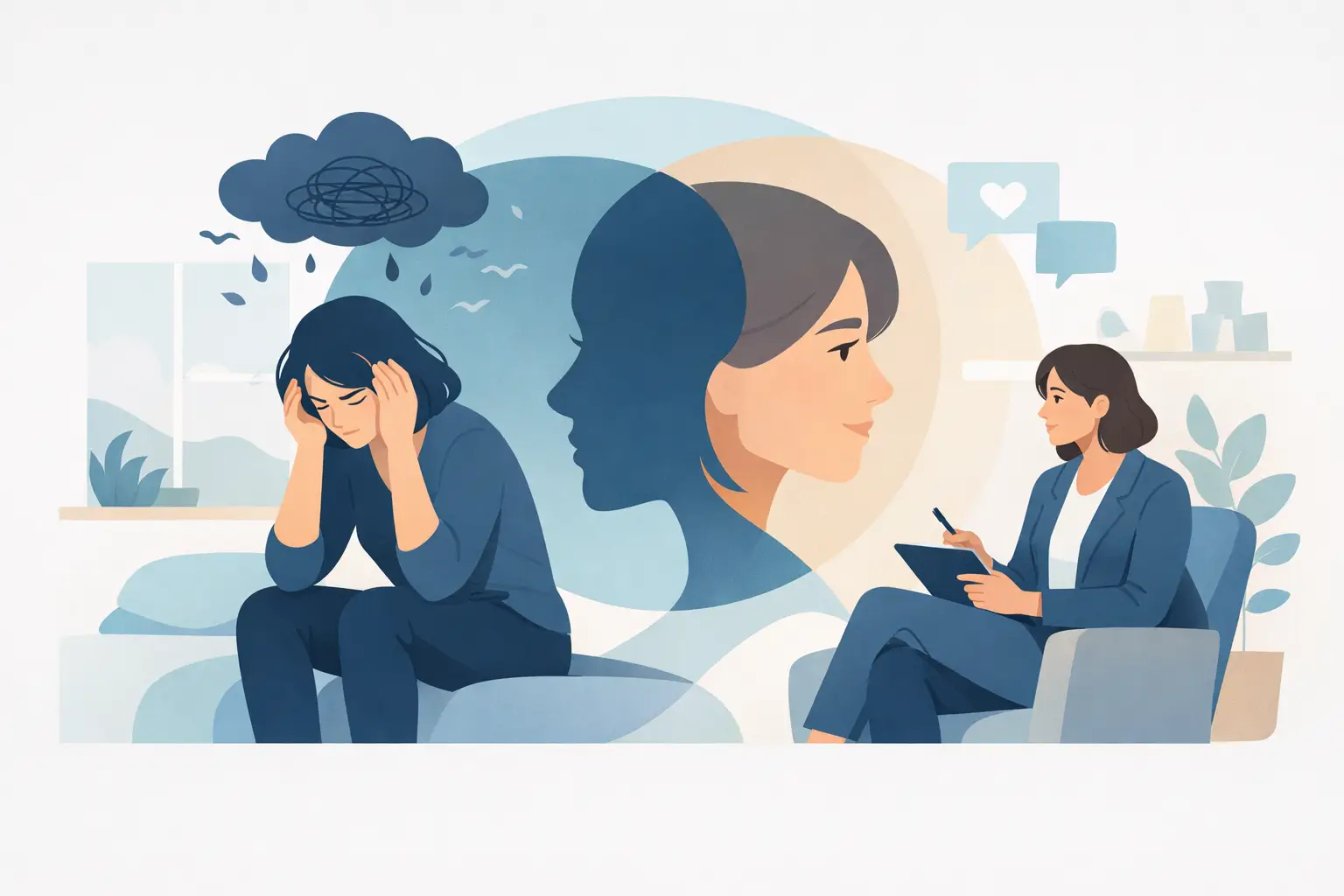
A racing heart before an ordinary meeting. Replaying a conversation long after it has ended. Cancelling plans because the effort of appearing fine feels too great. Anxiety counselling for adults can offer a private, steady space to make sense of these experiences, rather than simply trying to push through them alone.
Anxiety can be exhausting, particularly when it has become part of daily life. You may be functioning at work, caring for others and meeting commitments, while carrying a constant sense of apprehension underneath. From the outside, people may not see how much energy it takes. In therapy, there is no need to minimise what you are feeling or justify why it matters.
Anxiety can look different from person to person
Anxiety is not always a sudden panic attack or an obvious fear. For some adults, it is a persistent stream of “what if?” thoughts. For others, it appears as irritability, sleeplessness, perfectionism, a need to stay in control, or physical symptoms such as muscle tension, nausea and a tight chest.
It can also be closely connected to a particular stage of life. A change in work, a relationship difficulty, bereavement, menopause, becoming a parent, caring responsibilities or a move can unsettle the ways you have previously coped. Sometimes anxiety has a clear starting point. Sometimes it feels as though it has been present for so long that you cannot imagine life without it.
Neither experience means there is something wrong with you. Anxiety is often the mind and body attempting to protect you from threat, uncertainty or emotional pain. The difficulty is that this protective response can become overactive, leaving you on alert even when you are safe.
What anxiety counselling for adults involves
Counselling is not about being told to think positively or being given a fixed set of techniques that may not suit you. It is a collaborative process that starts with understanding your individual experience: what anxiety feels like in your body, the situations that intensify it, the thoughts that accompany it and the impact it is having on your relationships, work and sense of self.
Early sessions often bring relief because you have room to speak openly without being judged or hurried. Together, you can begin to identify patterns. Perhaps you notice that you expect criticism before it happens, feel responsible for everyone else’s wellbeing, or avoid difficult situations because anxiety promises short-term relief. These patterns usually developed for understandable reasons, even if they are no longer serving you well.
Therapy can help you respond to anxiety with greater choice. This may include learning ways to settle an activated nervous system, recognising unhelpful cycles before they take over, and developing a more compassionate inner voice. It can also mean exploring the deeper experiences that have shaped how safe, worthy or connected you feel.
There is no single pace that is right for everyone. Some people want focused support around a current problem, while others need time to understand long-standing anxiety rooted in earlier relationships or difficult experiences. A thoughtful therapeutic relationship makes room for both practical change and deeper reflection.
Looking beyond the symptom
When anxiety is persistent, the question is not only “How do I stop feeling anxious?” It can also be “What might this feeling be trying to protect me from?” This is not about over-analysing every emotion. It is about approaching yourself with curiosity rather than blame.
Transactional Analysis can be useful in noticing familiar internal messages, such as “I must not make mistakes” or “I have to cope on my own”. Attachment theory can help make sense of why closeness, conflict, distance or uncertainty in relationships feel particularly difficult. Relational psychotherapy pays attention to what happens between people, including the safety and trust built in therapy itself.
A trauma-informed approach is especially important where anxiety is linked to past overwhelm, loss, neglect or harmful experiences. Therapy should not force disclosure or move faster than feels safe. The work is paced carefully, with attention to choice, boundaries and emotional stability.
When it may be time to seek support
You do not have to wait until anxiety reaches crisis point. Counselling may be helpful when worry is affecting sleep, concentration or physical health; when you are avoiding situations that matter to you; or when reassurance from others no longer eases the fear for long. It can also help when you are noticing that your world is becoming smaller as you try to prevent anxious feelings.
For many people, the hardest part is admitting that support would be welcome. You may have learned to be independent, may worry that your problems are not serious enough, or may fear being a burden. These concerns are common. Asking for help is not a failure to cope. It is a considered step towards understanding what you need.
If you are experiencing immediate danger, feel unable to keep yourself safe, or have thoughts of ending your life, urgent support is needed. Contact emergency services, NHS 111, your GP, or a crisis service in your area. Counselling is valuable support, but it is not a substitute for emergency care.
What change can feel like
Progress with anxiety is rarely about never feeling worried again. Anxiety is a normal human response, and there will always be moments of uncertainty. Meaningful change is more often found in how you relate to those moments.
You may begin to notice anxious thoughts without treating them as facts. You may pause before agreeing to something that overwhelms you, express a need more clearly, or return to a situation you had been avoiding. Physical symptoms may become less frightening because you understand what is happening and have ways to ground yourself.
Over time, many people feel less driven by fear and more connected to their own judgement. They become better able to tolerate uncertainty, recover after difficult moments and make decisions based on what matters to them, rather than solely on what feels safest in the short term. This does not mean life becomes problem-free. It means you are less alone with its challenges.
A confidential, individual space
Privacy is often a central concern for adults considering therapy, especially if anxiety involves work pressures, relationship strain, family expectations or experiences they have never spoken about. Counselling provides a confidential setting with clear professional boundaries. At the outset, your therapist should explain how confidentiality works and the limited circumstances in which it may need to be broken, such as serious concerns about safety.
At Sue Moir Psychotherapy, sessions are tailored to the person rather than fitted to a standard formula. Individual appointments are available in Stockport and securely online throughout the UK. An initial consultation offers an opportunity to discuss what is bringing you to therapy, ask practical questions and consider whether the approach feels right for you, without pressure to commit.
Frequently asked questions about anxiety counselling for adults
How long will counselling take? It depends on your needs, history and hopes for therapy. Some people benefit from a shorter period of focused work, while others prefer longer-term support for deeper patterns. Sessions are commonly held weekly or fortnightly and last 50 minutes.
Do I need to know why I feel anxious before I begin? No. Many people arrive knowing only that they feel constantly on edge, stuck or unlike themselves. Understanding can develop gradually through conversation and careful reflection.
Can online counselling be as effective as meeting in person? For many adults, yes. Secure online sessions can provide a consistent, private space without travel, which may be particularly helpful if time, location or mobility makes in-person therapy harder. Others value being in the room with their therapist. The best option is the one that allows you to feel sufficiently safe and able to engage.
You deserve support that takes your anxiety seriously without defining you by it. A first conversation can be a quiet beginning: a chance to be heard, to understand more clearly, and to consider what feeling steadier might look like for you.