How to Navigate Empty Nest with Confidence
The last suitcase has gone upstairs, the familiar routines have changed, and the house may suddenly feel much too quiet. Learning how to navigate empty nest can bring relief as well as sadness, pride alongside loneliness, and a deep uncertainty about who you are now. These mixed feelings are not a sign that you have done anything wrong. They often reflect the size and importance of the role you have held for many years.
For some parents, this transition arrives gradually as a child leaves for university, work or a relationship. For others, it follows a sharper change: the final child moves out, a separation alters family life, or a young adult becomes more independent than expected. Whatever the circumstances, an empty nest can touch identity, purpose, relationships and old emotional wounds all at once.
Why an empty nest can feel so unsettling
Parenting gives shape to everyday life. There are practical tasks, concerns to carry, meals to plan and someone else’s milestones to anticipate. When that daily responsibility reduces, it can leave a genuine gap – not merely in the home, but in your sense of usefulness and connection.
You may miss the ordinary things most: hearing a key in the door, making a cup of tea for two, knowing the small details of their day. Social media, family photographs and well-meaning comments such as “You must be enjoying your freedom” can make the experience feel even more isolating when that is not how you feel.
This change can also bring earlier losses into view. Perhaps you have spent years placing your own needs second. Perhaps your relationship has relied heavily on parenting as its shared focus. If you have experienced bereavement, difficult attachment experiences, menopause, low mood or anxiety, the transition may feel especially raw. There is no correct timetable for adapting.
How to navigate empty nest without dismissing your feelings
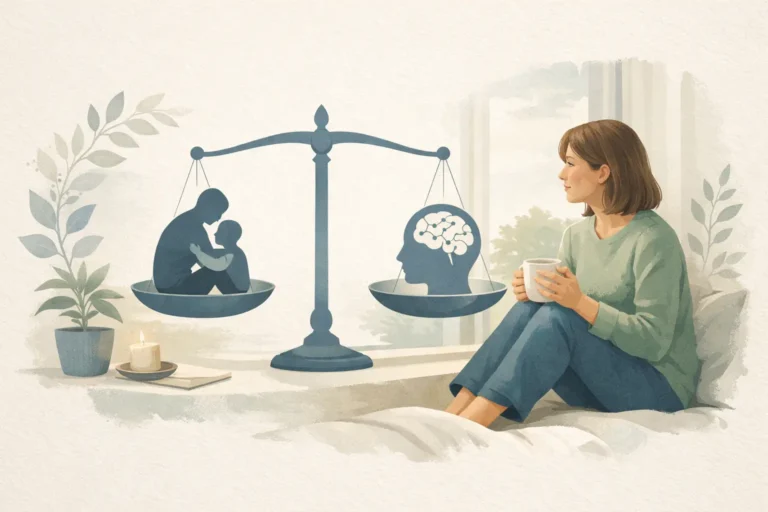
The pressure to “make the most of it” can encourage people to move too quickly past grief. Yet missing your child and being pleased for their growing independence can both be true. Allowing room for that complexity is often more helpful than trying to replace sadness with constant activity.
Name what has changed
Try to be specific about what you are grieving. Is it their daily presence, the role of being needed, the life stage that has ended, or worries about their wellbeing? Naming the loss can make it less overwhelming and helps you respond to what is actually needed.
For example, if the deepest ache is concern about your child coping away from home, gentle, agreed contact may reassure you. If the loss is more about a lack of purpose, the answer may involve slowly reconnecting with interests, work, friendships or ambitions that have been set aside. These are different needs, and they deserve different responses.
Writing privately can be a useful starting point. You might note the moments when the quiet feels hardest, the thoughts that accompany them and what offers even a small sense of steadiness. This is not about forcing gratitude. It is about becoming more attentive to your inner experience.
Find a new rhythm before making big decisions
An empty home can make unstructured time feel endless. Rather than filling every hour, create a modest routine that gives your week some shape. A regular walk, exercise class, coffee with a friend, volunteering, a creative project or a course can provide contact and momentum.
Choose activities that feel meaningful rather than simply distracting. A packed diary may dull loneliness temporarily, but it can also leave little space to understand what this transition means to you. It may take time to find a balance between rest, connection and purposeful change.
If your child has moved away for study or work, predictable contact can help. Agree what feels comfortable for both of you, whether that is a weekly call, messages or visits. This can reduce the urge to repeatedly check in when anxiety rises, while respecting their growing independence. Contact works best when it is a bridge, not a way of preventing either of you from moving forward.
Make room for the relationship changes at home
For couples, the empty nest may expose differences that parenting kept in the background. You may be grieving in different ways: one person might want to talk often, while the other becomes quieter or focuses on practical tasks. Neither response is automatically wrong, but unspoken assumptions can create distance.
Start with honest, low-pressure conversations. Instead of asking, “What are we going to do now?”, try sharing what you each miss and what you each hope might become possible. You may find opportunities to rebuild companionship, but this is not a demand to make the relationship feel exciting immediately. It is a period of adjustment.
If you are single, separated or widowed, the loss of day-to-day family life can feel particularly acute. Reaching out may be difficult if you are used to being the person who supports everyone else. Begin with one trusted person. Let them know you are finding the transition harder than you expected. Being heard can lessen the sense that you must carry it alone.
Reconnect with the person alongside the parent
You do not stop being a parent when your child leaves home. The relationship changes, and it may become more adult-to-adult over time. At the same time, you are more than the role you have fulfilled so faithfully.
This is an invitation to ask gentle questions, not to demand instant reinvention. What mattered to you before family responsibilities became so consuming? What do you want more of now: calm, creativity, learning, contribution, friendship, pleasure or confidence? The answers may be uncertain at first.
Small experiments are often kinder than grand plans. Return to something you once enjoyed, arrange a regular meet-up, explore a new interest or make a change at home that reflects your own tastes. Notice which choices leave you feeling more like yourself. A renewed sense of identity is usually built gradually, through repeated experiences of choice and connection.
For many women, an empty nest coincides with menopause or wider midlife change. Shifts in sleep, mood, energy and confidence can make an already emotional transition harder to manage. It can help to recognise that these experiences may be interacting. You are not failing because you do not feel as resilient as you expected.
When empty nest feelings may need more support
Sadness after a child leaves home is common. However, support can be particularly valuable if low mood persists, anxiety feels constant, sleep or appetite are significantly affected, or you have stopped seeing people and doing things that usually matter to you. You may also notice intense guilt, a sense of worthlessness, panic when you do not hear from your child, or conflict that is placing strain on your relationships.
Therapy offers a confidential space to explore these feelings without judgement. It can help you understand the patterns that make separation especially difficult, including attachment experiences, past losses and beliefs about being needed. A therapeutic relationship can also support practical change: setting healthier boundaries, communicating more openly and rebuilding self-trust.
At Sue Moir Psychotherapy, sessions are shaped around your individual experience rather than assuming every parent needs the same answer. Approaches informed by attachment theory, relational psychotherapy and Transactional Analysis can help make sense of long-standing patterns, while trauma-informed care keeps emotional safety at the centre. In-person sessions in Stockport and secure online sessions across the UK can make support accessible during a period that may otherwise feel lonely.
Let this be a transition, not a verdict
The empty nest is not proof that your best years are behind you, nor does it require you to be cheerful about every change. It is a tender adjustment that asks you to release one form of closeness while finding new ways to stay connected – with your child, with others and with yourself.
Take it one ordinary day at a time. A quieter house can gradually become a place where you feel settled, valued and at home in your own life again.