Why Do I Feel Numb? What It May Be Telling You
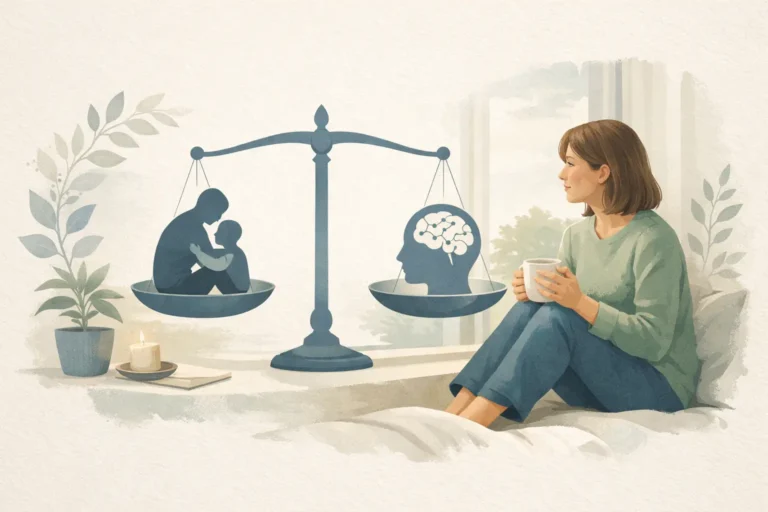
Some people describe it as feeling blank. Others say they are going through the motions, unable to cry when they expect to, or unable to enjoy things they normally value. If you have found yourself asking, “why do I feel numb?”, it can be unsettling – particularly when you cannot identify one clear reason for it.
Emotional numbness is not a personal failing, and it does not mean you do not care. Often, it is a sign that your mind and body have been carrying more than they can comfortably process. Feeling disconnected from yourself, other people or everyday life can be painful in its own quiet way. You deserve to have that experience taken seriously.
Why do I feel numb emotionally?
Numbness can be a protective response. When feelings are too intense, too persistent or too difficult to make sense of, the nervous system may reduce access to them. This can help you get through a demanding period, but it may also leave you feeling distant, flat or unfamiliar to yourself.
It does not always look dramatic. You might still go to work, care for others, answer messages and fulfil responsibilities. Yet underneath, there may be little sense of pleasure, connection, motivation or emotional movement. Some people feel detached from conversations; others notice they cannot concentrate, make decisions or imagine the future with much clarity.
There is rarely one explanation that applies to everyone. Numbness can emerge from current pressures, earlier experiences, physical changes, relationship difficulties or several of these at once. Understanding its context, rather than judging it, is often a helpful first step.
Common reasons for feeling numb
Prolonged stress and overwhelm
When there has been no room to pause – perhaps because of work pressure, caring responsibilities, financial worries or ongoing conflict – the body can remain in a state of high alert. At first, you may feel anxious, irritable or constantly busy. Over time, that intensity can give way to exhaustion and emotional shutdown.
This is not necessarily a conscious choice. It may be your system’s way of conserving energy when everything has felt too much for too long. Rest can help, but deep exhaustion is not always resolved by a few early nights or a weekend away. It may also require space to recognise what has been asked of you and what support you need.
Low mood and depression
Depression is not always experienced as obvious sadness. For many people, it feels more like emptiness, indifference or a loss of interest in life. Things that once brought comfort or enjoyment may feel muted. You may withdraw from people, not because you do not value them, but because responding feels difficult.
If numbness is accompanied by changes in sleep, appetite, energy, concentration, self-worth or hopefulness, it is worth speaking with a GP or a qualified mental health professional. Support can be tailored to your circumstances rather than based on an assumption about what depression should look like.
Grief, loss and major change
Grief can make people feel raw, but it can also leave them feeling nothing at all. This may follow a bereavement, a relationship ending, a health change, redundancy, fertility struggles or the loss of a hoped-for future. There is no correct emotional timetable.
Sometimes numbness arrives before sadness. Sometimes it returns months later, when practical demands have eased and the reality of a loss begins to settle. Giving yourself permission not to be where others think you should be can be an important act of self-compassion.
Trauma and difficult past experiences
After frightening, overwhelming or repeated experiences, emotional disconnection can be a way of surviving. You may feel detached from your body, memories or surroundings. You may know something was painful without being able to feel much about it, or find that certain situations suddenly leave you frozen, distant or unreal.
Trauma responses are highly individual. Not everyone who feels numb identifies their experiences as trauma, and you do not need to force yourself to revisit painful memories alone. A trauma-informed therapeutic relationship can offer a steady, paced way to understand what has happened, with safety and choice at the centre.
Relationship strain and attachment patterns
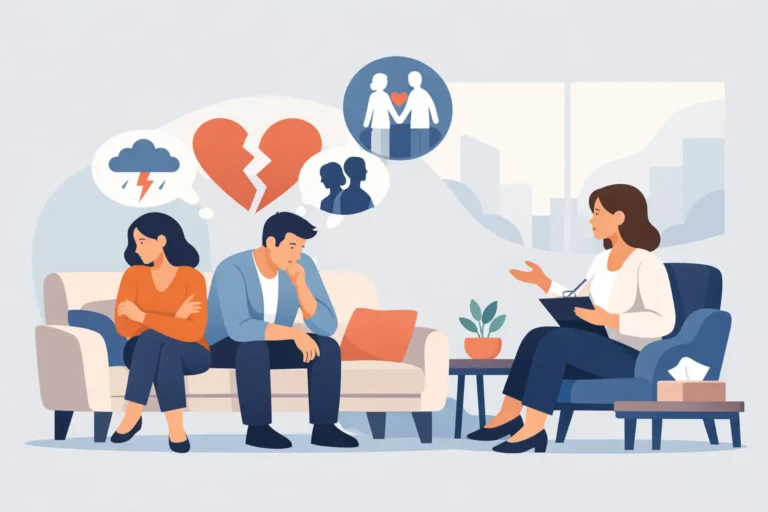
Feeling emotionally switched off can also develop in relationships where you have learned to minimise your needs, avoid conflict or protect yourself from disappointment. Perhaps you are used to being the capable one, or perhaps closeness has not always felt safe or reliable.
These patterns often begin as understandable adaptations. In adulthood, however, they can make it harder to recognise what you feel and ask for what you need. Therapy can help you explore these patterns without blame, including the ways they may be affecting your current relationships.
Menopause and physical health
Hormonal changes during perimenopause and menopause can affect mood, sleep, concentration and emotional resilience. Feeling flat, anxious, tearful or unlike yourself is not something you simply have to put up with. Physical health conditions, medication, substance use and disrupted sleep can also influence how emotionally present you feel.
A GP can help you consider possible physical contributors. Emotional support can sit alongside medical care, particularly if this stage of life has brought questions about identity, confidence, relationships or change.
What can help when you feel disconnected?
Trying to make yourself feel something immediately can create more pressure. A gentler aim is to notice what is happening without demanding that it change at once. Small moments of connection can be more useful than forcing a big emotional breakthrough.
You might begin by bringing attention to basic needs: regular meals, sleep where possible, fresh air, movement and contact with one safe person. These are not cures for emotional numbness, but they can give an overwhelmed nervous system more stability. It can also help to use simple, concrete language: “I feel flat today”, “I am overwhelmed”, or “I do not know what I feel yet.” Naming even a small part of your experience is a form of connection.
Be cautious about isolating yourself completely. You do not have to explain everything, but letting a trusted person know that you have been struggling may reduce the burden of carrying it alone. If talking feels too difficult, writing down a few thoughts or bringing them to a therapy session can be a starting point.
When is it time to seek professional support?
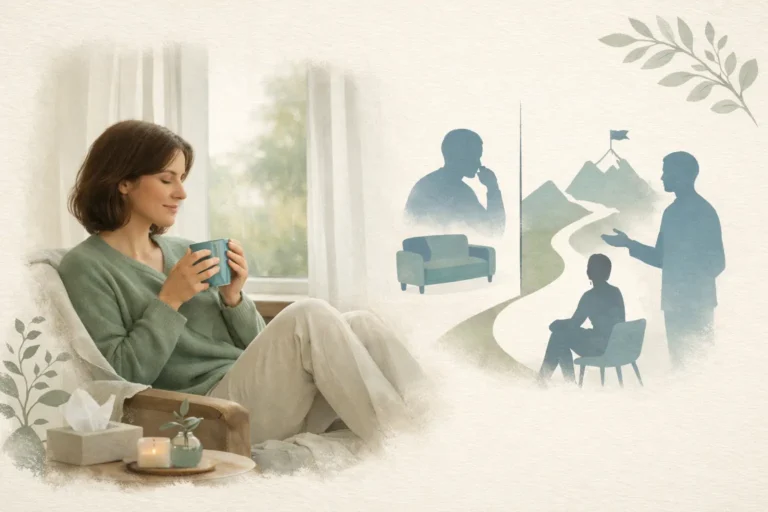
It can be helpful to seek support when numbness is lasting for weeks, affecting your work or relationships, or making daily life feel difficult to manage. You do not need to wait until things become unbearable. Therapy is not only for moments of crisis; it can be a confidential place to understand why you have become disconnected and what might help you feel more like yourself.
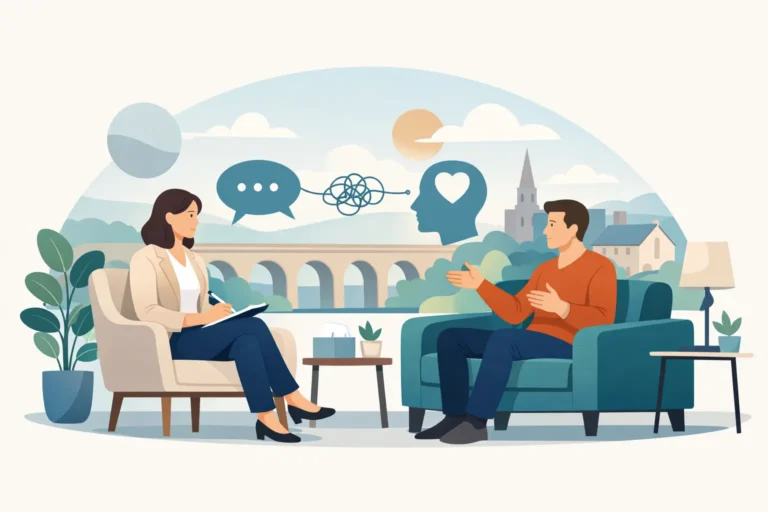
In psychotherapy, there is no expectation that you should have the right words at the beginning. You can start with, “I do not know what I feel,” and allow the conversation to unfold at a pace that feels manageable. Approaches informed by attachment theory, relational psychotherapy, Transactional Analysis and trauma-informed practice can help make sense of long-standing emotional patterns while building practical ways to regulate stress and relate to yourself more kindly.
For adults in Stockport and across the UK through secure online sessions, Sue Moir Psychotherapy offers a private, collaborative space to explore these experiences. An initial consultation can help you decide whether therapy feels like the right next step, without pressure to commit before you are ready.
If numbness is accompanied by thoughts of harming yourself, feeling unable to stay safe, or feeling that life is not worth living, seek urgent help. Contact 999 if there is immediate danger, or speak with NHS 111, your GP, a local crisis team, or Samaritans on 116 123.
Feeling numb may have begun as a way to protect you. With patient, compassionate support, it is possible to understand that protection and gradually make room for safety, feeling and renewed connection. You do not have to face it alone.