Are Panic Attacks Dangerous? What You Need to Know
A panic attack can make you feel as though something is terribly wrong: your heart may race, your chest may tighten, and you may fear that you will collapse, lose control or die. If you are asking, are panic attacks dangerous, you are not overreacting. The experience can be genuinely frightening, even when it is not causing the catastrophe your body seems to be warning you about.
For most people, a panic attack itself is not physically dangerous. It is an intense surge of the body’s alarm response, which rises quickly and then settles. But new, severe or unfamiliar symptoms should never simply be assumed to be panic. Knowing the difference between reassurance and sensible caution can help you feel safer and more in control.
What happens during a panic attack?
Panic is the body’s protective fight, flight or freeze response switched on at full volume. It is designed to help you respond to danger. Adrenaline increases your heart rate, changes your breathing and directs energy towards your muscles. When there is no immediate threat to escape or fight, those sensations can feel confusing and alarming.
You might notice breathlessness, trembling, sweating, nausea, dizziness, tingling in your hands or face, a pounding heart, or a feeling of unreality. Many people also experience a powerful fear of losing control, fainting, having a heart attack or “going mad”.
These sensations are real. They are not imagined, dramatic or a sign of weakness. Yet they are often intensified by the meaning we give them. A racing heart can lead to the thought, “I am in danger”, which increases fear and prompts more adrenaline. The cycle can gather pace very quickly.
Are panic attacks dangerous to your body?
A panic attack is deeply distressing, but it does not usually damage the heart, lungs or brain. The body cannot maintain that peak state indefinitely. Although it may feel endless while it is happening, the strongest wave of panic commonly eases within minutes, followed by a period of exhaustion, shakiness or emotional relief.
Hyperventilation can be especially frightening. Fast, shallow breathing can alter the balance of oxygen and carbon dioxide in the blood, contributing to light-headedness, tingling, chest discomfort and feelings of unreality. These symptoms can make you feel as though you might faint, though people are more likely to feel faint than actually lose consciousness during panic.
That reassurance has limits. Chest pain, breathlessness, palpitations and dizziness can also be symptoms of physical health conditions. A first episode of severe symptoms, a significant change in your usual symptoms, or symptoms that occur during exertion deserve medical assessment rather than self-diagnosis.
When should you seek urgent medical help?
If you think you could be having a medical emergency, seek urgent help. In the UK, call 999 or attend A&E for severe or persistent chest pain, serious difficulty breathing, fainting, signs of a stroke such as facial weakness or difficulty speaking, or symptoms that feel different from anything you have experienced before.
It is also sensible to speak with your GP or another healthcare professional if panic-like symptoms are recurring, you have a known heart or respiratory condition, you are pregnant, you have recently started or changed medication, or alcohol, recreational drugs or withdrawal may be involved. There is no embarrassment in getting checked. Physical health and emotional health both deserve careful attention.
Once medical causes have been considered, understanding that panic is not dangerous can itself reduce its grip. You no longer have to treat every sensation as proof that disaster is approaching.
Why panic attacks can still have a serious impact
Even if an individual panic attack is not physically harmful, recurrent panic can shrink a person’s life. You may start avoiding shops, public transport, driving, exercise, social plans or places where leaving feels difficult. Some people become constantly alert to their breathing, heartbeat or bodily sensations, waiting for the next attack.
This is not a failure of courage. Avoidance makes sense when your nervous system has learnt that certain places or sensations signal danger. The difficulty is that avoiding them can bring short-term relief while teaching the brain that the feared situation really was unsafe. Over time, confidence can narrow further.
Panic may also sit alongside persistent anxiety, low mood, trauma, grief, relationship strain, burnout, hormonal change or a difficult life transition. For some women, menopause can bring changes in sleep, mood, heart rate and bodily sensations that make anxiety or panic more likely, or make familiar symptoms feel newly unsettling. The most helpful support looks at your whole experience rather than treating you as a set of symptoms to manage.
What can help in the moment?
When panic rises, the aim is not to force yourself to feel calm immediately. Trying to fight every sensation can sometimes add another layer of fear. Instead, gently remind yourself that this is a panic response, it will pass, and you can take one small step at a time.
If you can, slow your breathing without taking huge breaths. Try breathing in gently and letting the out-breath become a little longer. Notice your feet against the floor, the support of a chair, or name a few ordinary things you can see around you. These simple grounding actions give your attention something steady to return to.
It may help to use a compassionate phrase such as, “My body is sounding an alarm. I am safe enough in this moment, and the feeling will settle.” This is not about pretending you feel fine. It is about responding to fear with steadiness rather than treating it as an enemy.
Afterwards, avoid judging yourself for having had an attack. Rest, drink some water, and make a brief note of what was happening beforehand if that feels useful. Patterns can emerge over time, including stress, poor sleep, conflict, caffeine, hormonal changes or particular situations. A pattern is not always a simple cause, but it can offer a starting point for understanding.
Therapy can address more than the symptoms
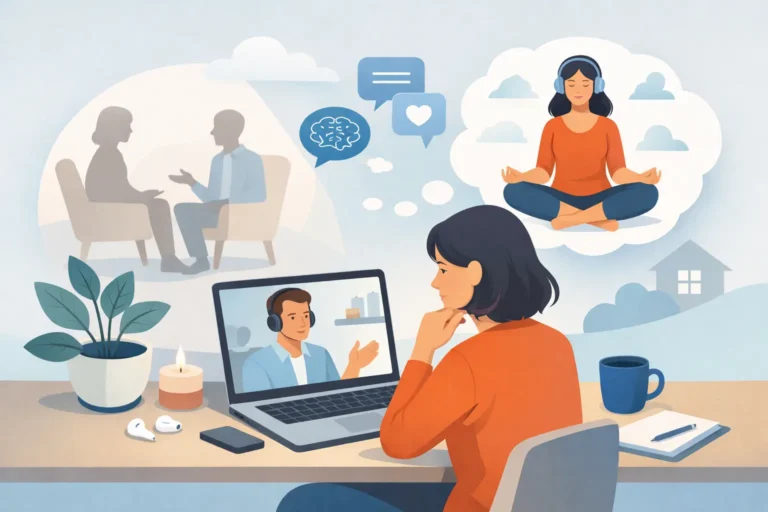
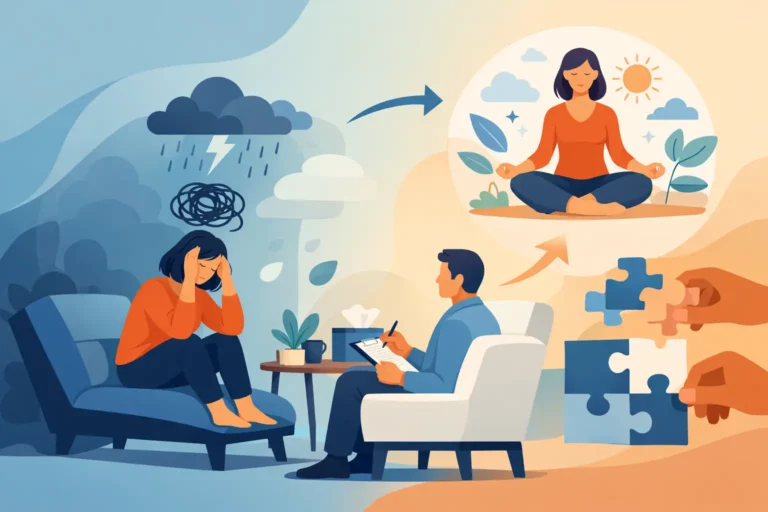
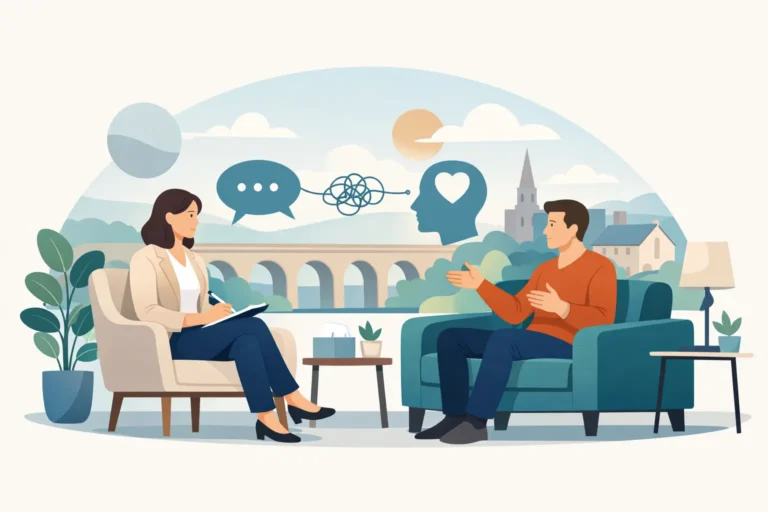
Practical calming techniques matter, but many people want more than a way to get through the next episode. Therapy offers a confidential space to understand what may be keeping panic going and to build a more secure relationship with your thoughts, feelings and body.
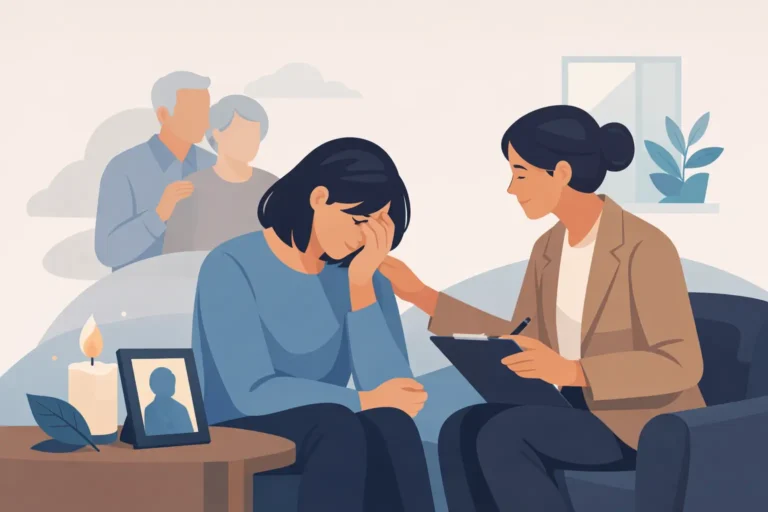
A tailored approach may explore the fearful interpretations that trigger the panic cycle, as well as the stresses and relationships surrounding it. Attachment patterns, earlier experiences of feeling unsafe, unexpressed feelings, loss or trauma can all shape how readily the nervous system moves into alarm. This does not mean you need to find one dramatic explanation for every panic attack. It means there is room to be curious about your experience, at a pace that feels safe.
At Sue Moir Psychotherapy, this work is approached collaboratively and with sensitivity. Drawing on Transactional Analysis, attachment-informed and trauma-informed perspectives, therapy can help you recognise longstanding patterns without blame. You can develop practical ways to regulate anxiety while strengthening self-compassion, boundaries and confidence in everyday life.
You do not have to wait until panic takes over
Support can be valuable whether you have had one frightening episode or have been living around panic for years. If fear of another attack is changing your choices, affecting sleep, straining relationships or leaving you feeling isolated, it is reasonable to seek help now. A free initial consultation can offer a calm opportunity to talk through what is happening and consider whether ongoing therapy feels right for you.
Panic can make your world feel suddenly small and unsafe. With appropriate medical care where needed, patient understanding and the right therapeutic support, it is possible to feel more at home in your body again. You do not have to face that journey alone.